MIXC — Garden Bed
MIXC Garden Bed: Cultivating Hope for Home Growers and Urban Gardeners
MIXC serves home gardeners, greenhouse enthusiasts, and urban balcony growers who refuse to let limited space or challenging conditions stop them from cultivating fresh produce and beautiful plants. The brand's mission centers on helping people live in hope through innovative, durable gardening solutions that adapt to any environment. Whether you have a sprawling backyard or a compact apartment balcony, MIXC designs raised planters that bring the joy of homegrown vegetables, herbs, and flowers within reach.
Urban apartment dwellers particularly benefit from elevated designs that transform small outdoor spaces into productive growing areas. The brand understands that city living shouldn't mean sacrificing the satisfaction of harvesting your own tomatoes or snipping fresh basil for dinner. Greenhouse owners appreciate the sturdy construction that handles heavy soil loads and year-round growing demands without warping or deteriorating.
Home gardeners seeking their first raised planting system find MIXC products accessible and rewarding. The thoughtful engineering removes common barriers like back strain from ground-level gardening, poor drainage leading to root rot, and flimsy construction that fails after one season. Every product reflects the brand's commitment to making gardening achievable for anyone willing to nurture their own growing space.
From Seed Starters to Full-Scale Planters: The Complete Growing Collection
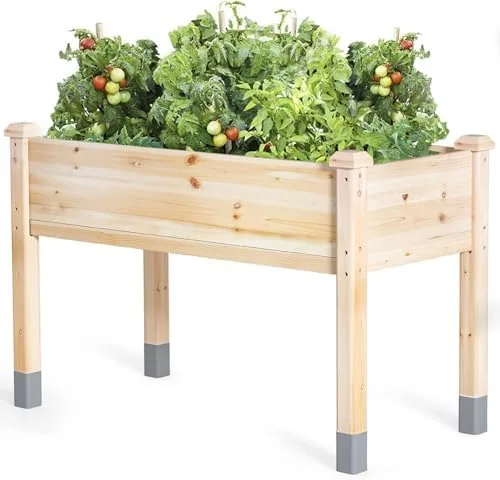
The product lineup spans the entire gardening journey, from indoor seed starting to outdoor harvest-ready raised beds. Elevated wooden planters anchor the collection, available in multiple dimensions to suit patios, decks, backyards, and rooftop gardens. These units feature generous planting depths and substantial cubic footage that accommodate root vegetables, climbing plants, and ornamental arrangements alike.
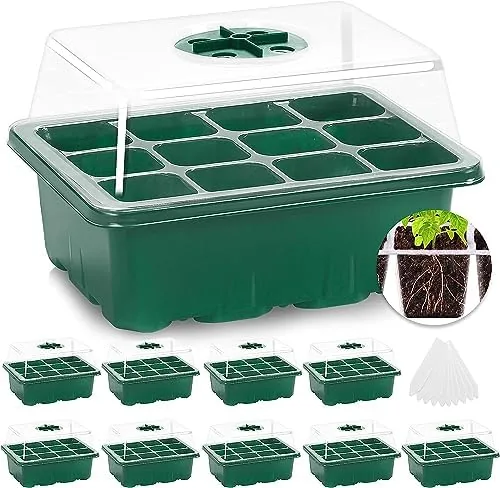
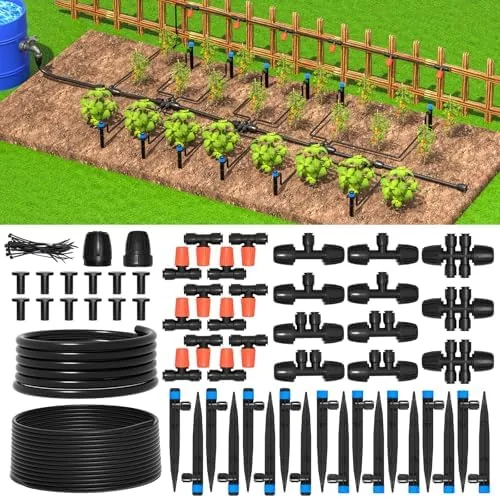
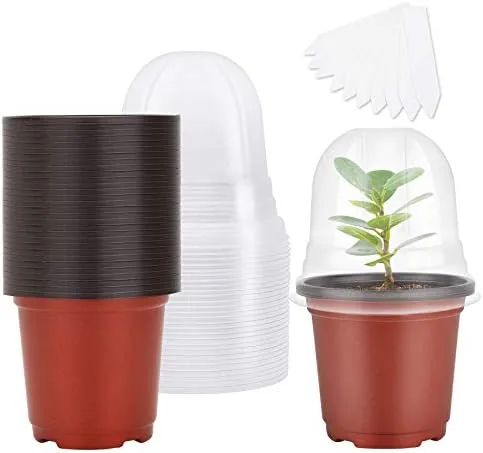
Beyond the signature raised beds, the range includes seed starter kits with adjustable humidity domes for germinating delicate seedlings indoors. Transparent nursery pots with innovative silicone bases allow gardeners to monitor root development and transplant without disturbing fragile root systems. Quick-connect drip irrigation components complete the ecosystem, enabling automated watering setups that keep plants thriving even during busy weeks or vacation absences.
This comprehensive approach means gardeners can source their entire growing infrastructure from one brand, ensuring compatibility and consistent quality across every component. The collection addresses real challenges faced by modern gardeners who want productive growing spaces without the complexity of piecing together mismatched equipment from multiple manufacturers.
Beam-and-Column Architecture: The Structural Philosophy Behind Every Planter
MIXC engineered its raised planters using beam-and-column construction borrowed from architectural principles rather than standard garden furniture design. This structural approach distributes weight across multiple load-bearing points instead of concentrating stress on corners or panel connections. The result is exceptional stability that supports up to 467 pounds of soil, plants, water, and gardening accessories without flexing, wobbling, or collapsing.
Traditional raised bed designs often fail at connection points where side panels meet corner posts. The beam-and-column system eliminates this vulnerability by incorporating reinforced support structures that lock components together while allowing natural wood expansion and contraction through seasonal temperature changes. Legs receive waterproof treatment specifically designed to resist ground moisture, preventing the rot that typically shortens the lifespan of wooden garden furniture.
This engineering philosophy extends to drainage integration. Rather than treating drainage as an afterthought, each unit includes purpose-built systems that prevent waterlogging while retaining appropriate moisture levels. The approach reflects serious consideration of how plants actually grow and what structural elements gardeners genuinely need for long-term success.
Every design decision traces back to durability and functionality. The beam-and-column framework allows for larger planting areas without sacrificing stability, giving gardeners room to grow diverse crops in single units rather than clustering multiple smaller planters.
MIXC Garden Bed Features: Load Capacity, Drainage, and Weather-Ready Construction
- 467-Pound Load Capacity Beam-and-column construction supports heavy soil volumes, dense plantings, and integrated irrigation equipment without structural compromise.
- Integrated Drainage Systems Built-in drainage prevents waterlogging and root rot while maintaining optimal soil moisture for healthy plant development.
- Waterproof-Treated Legs Leg components receive moisture-resistant treatment that prevents ground contact deterioration and extends service life through wet conditions.
- UV-Resistant Materials Weather-treated wood withstands intense sunlight without fading, cracking, or becoming brittle over multiple growing seasons.
- Year-Round Outdoor Durability Construction handles freeze-thaw cycles, summer heat, rain exposure, and temperature extremes without warping or splitting.
- Generous Planting Depths Nine-inch and deeper soil capacity accommodates root vegetables, established perennials, and deep-rooted flowering plants.
Customer Favorites: The 331lb Capacity and 8×2ft Divisible Planters Leading the Lineup

The MIXC 331lb Capacity Sturdy Wooden Raised Garden Bed Outdoors with Legs consistently ranks among top sellers for its combination of generous dimensions and practical design. Measuring 48 inches long by 24.4 inches wide by 31 inches high, this model provides 5-6 cubic feet of planting space with a 9-inch depth that satisfies most vegetable and herb growing requirements. The untreated fir wood construction resists warping and splitting, while Pinus radiata support elements deliver superior load-bearing performance.
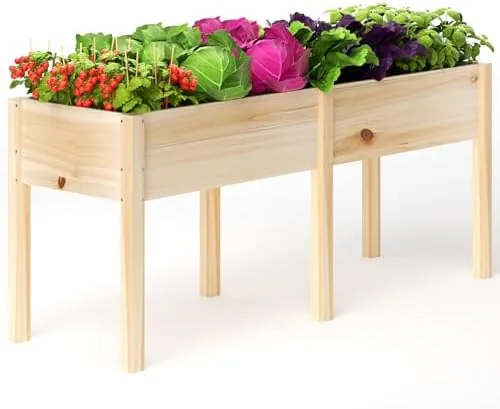
The MIXC 333lbs Capacity model expands growing potential with 8.4 cubic feet of planting space, accommodating more ambitious garden plans. This unit handles mixed plantings of flowers, succulents, and vegetables in a single elevated bed, making it popular with gardeners who want variety without managing multiple separate containers.
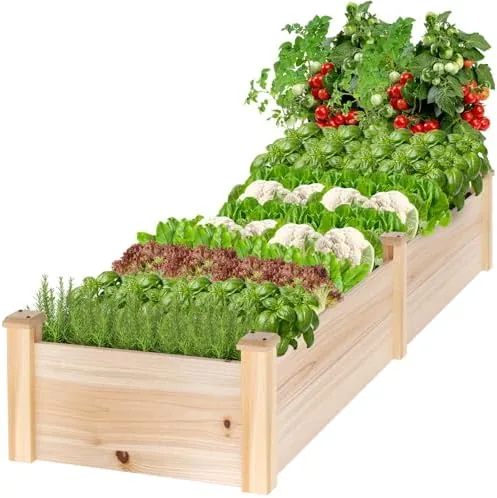
For longer planting runs, the MIXC 8×2ft Wooden Horticulture Raised Garden Bed offers divisible sections that can be arranged to fit specific spaces. Constructed from natural Chinese Fir wood, this model provides durability through multiple seasons without the discoloration or structural breakdown that affects cheaper alternatives. Its modular design appeals to gardeners who want flexibility as their growing ambitions evolve.
Untreated Fir, Pinus Radiata Supports, and Weather-Grade Wood Selection
MIXC selects untreated fir wood for primary planting surfaces specifically because it resists warping and splitting better than cedar while avoiding chemical treatments that could leach into soil. This matters for gardeners growing edible crops who want assurance that their vegetables absorb nutrients rather than wood preservatives. The natural properties of fir provide structural integrity without compromising food safety.
Support components utilize Pinus radiata, chosen for its superior load-bearing characteristics compared to softer wood species. This strategic material pairing means the framework holding soil weight differs from the panels containing plants, with each component optimized for its specific function. The combination delivers both strength and longevity without overbuilding or unnecessary cost.
Chinese Fir appears in select models, valued for its natural resistance to moisture damage and insect activity. All wood receives weather treatment calibrated for outdoor exposure, creating surfaces that shed rain, resist UV degradation, and maintain appearance through harsh conditions. These material choices reflect careful balance between performance, sustainability, and the practical needs of gardeners who expect equipment to last.
Hardware and fasteners complement the wood selection with corrosion-resistant finishes that prevent rust staining and maintain tight connections as materials naturally expand and contract through seasonal changes.
Season After Season: How These Planters Perform Through Sun, Rain, and Frost
Real-world durability emerges over multiple growing seasons, and MIXC designs specifically target this long-term performance benchmark. UV-resistant treatments prevent the bleaching and surface cracking that sun exposure causes in untreated wood. After two or three summers, these planters maintain their structural soundness and visual appeal rather than developing the gray, weathered look that signals material degradation.
Rain and humidity present ongoing challenges for wooden garden structures. The waterproof treatment on legs addresses direct ground moisture contact, while overall construction promotes airflow that prevents trapped dampness from accelerating rot. Gardeners in consistently wet climates report that proper placement and care keep these beds productive for years without soft spots or mold development.
Freeze-thaw cycles test construction quality ruthlessly, as ice expansion stresses joints and wood fibers. The beam-and-column architecture accommodates this movement rather than fighting it, allowing natural flexion without loosening connections or cracking panels. Spring inspections typically reveal beds ready for immediate planting without repairs or reinforcement.
Soil weight combined with regular watering creates sustained pressure that reveals design weaknesses over time. The 467-pound capacity rating reflects actual testing rather than theoretical limits, giving gardeners confidence that fully loaded beds maintain their shape and elevation through entire growing seasons.
Getting the Most from Your MIXC Garden Bed: Setup, Filling, and Planting Tips
Assembly typically takes under an hour with basic tools, as pre-drilled components align precisely and hardware includes everything needed for completion. Position the bed in its permanent location before adding soil, as a fully loaded unit becomes difficult to move. Choose spots receiving 6-8 hours of sunlight for vegetables, or partial shade for leafy greens and herbs that benefit from afternoon protection.
Irrigation integration works seamlessly with the quick-connect drip technology, transforming beds into low-maintenance growing systems. Position drip lines beneath mulch to reduce evaporation and keep foliage dry, minimizing disease pressure on tomatoes, peppers, and other susceptible crops.
Finding Your Fit: Height, Depth, and Ergonomic Considerations
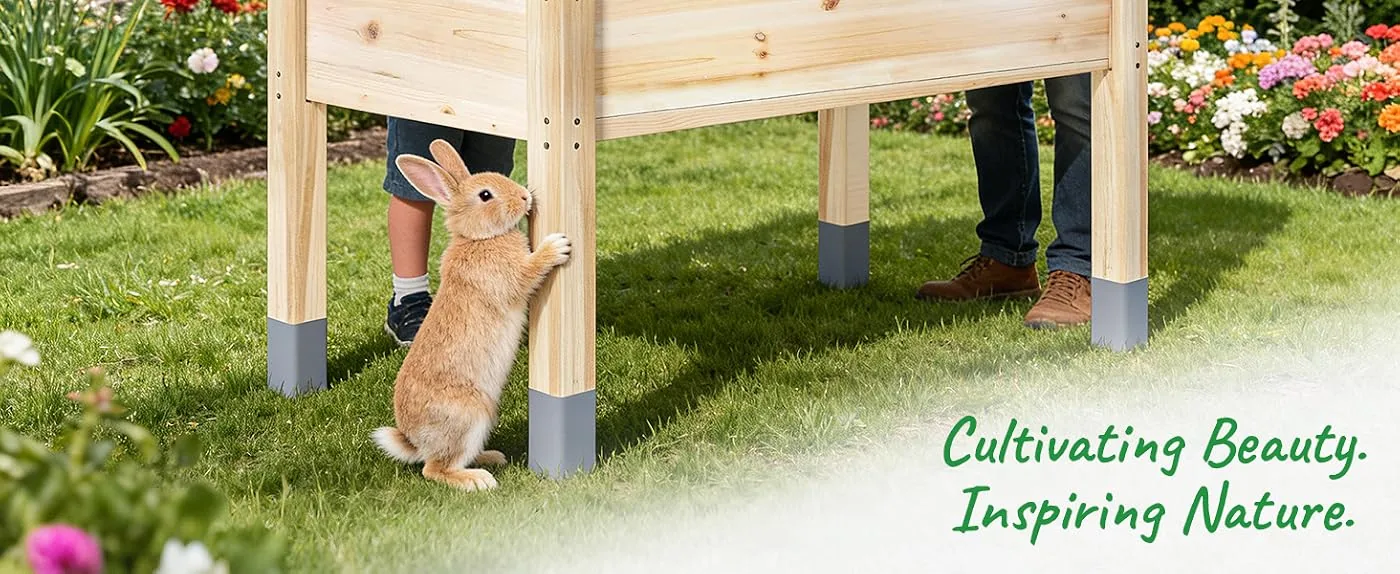
Standing height matters significantly for gardeners dealing with back problems, mobility limitations, or simply preferring to work without bending. The 31-inch elevation on flagship models puts the soil surface at a comfortable working height for most adults, reducing strain during planting, weeding, and harvesting. Taller gardeners may find this height ideal for extended work sessions, while shorter individuals might prefer a small step stool for seed starting tasks.
Planting depth requirements vary by crop type. The 9-inch depth standard accommodates lettuce, herbs, peppers, and most common vegetables. Root crops like carrots and parsnips perform better in deeper configurations, making the selection of appropriate models essential for planned growing goals. Consider current and future planting ambitions when choosing depth specifications.
Footprint dimensions determine both growing capacity and space compatibility. Measure available areas carefully before ordering, allowing clearance for walking around all sides of the bed. Access to all planting surfaces prevents compacting soil by reaching across wide expanses, keeping growing medium loose and well-aerated for healthy root development.
Perfect for Apartment Balconies, Small Patios, and Accessibility-Focused Gardening
Ideal Growing Environments
- Urban apartment balconies with limited floor space
- Covered patios and three-season sunrooms
- Rooftop gardens requiring portable solutions
- Accessible gardens for wheelchair users
- Senior living communities with shared outdoor spaces
Best-Matched Gardener Profiles
- First-time vegetable growers seeking beginner-friendly setups
- Busy professionals wanting low-maintenance food production
- Physical therapy patients rebuilding strength through gentle activity
- Retired individuals pursuing productive outdoor hobbies
- Families teaching children about where food originates
Selecting the Right Garden Bed Size for Your Space and Growing Goals
Assess available space by measuring length, width, and the clearance needed for comfortable movement around all sides. A 48-inch long unit requires at least 6 feet of linear space to allow working access from both ends. Corner placements can reduce footprint demands but may limit access to certain planting zones.
Match cubic footage to planting ambitions. The 5-6 cubic foot models support a modest herb garden and two to three vegetable varieties comfortably. The 8.4 cubic foot option handles more diverse plantings, including sprawling crops like squash or multiple tomato varieties. Estimate soil needs before purchasing, as quality growing medium represents a significant investment.
Consider weight implications for balcony or rooftop installations. A fully loaded raised planter approaches several hundred pounds when soil is saturated after watering. Verify that your outdoor surface can handle this concentrated weight, consulting building management for structural specifications if necessary.
Growth plans matter as much as current intentions. Starting with a single unit leaves room for expansion as skills develop and harvests prove rewarding. The divisible 8×2ft configuration offers flexibility for gardeners who anticipate reconfiguring their growing space as interests evolve.
MIXC Garden Bed vs. Competitors: Construction, Capacity, and Value Comparison
| Feature | MIXC Garden Bed | Greenes Fence Raised Bed | Keter Easy Grow Planter |
|---|---|---|---|
| Construction Type | Beam-and-column with reinforced supports | Stackable cedar panels | Plastic resin composite |
| Maximum Load Capacity | Up to 467 lbs | Approximately 200 lbs | Approximately 100 lbs |
| Wood Material | Untreated fir with Pinus radiata supports | Natural cedar | No wood (synthetic) |
| Integrated Drainage | Yes, built-in system | No, requires modification | Yes, self-watering reservoir |
| UV Resistance | Weather-treated for year-round exposure | Natural cedar oils, limited protection | UV-protected plastic |
| Waterproof Leg Treatment | Yes, specifically treated | Not applicable (ground level) | Not applicable (no legs) |
| Typical Planting Depth | 9 inches standard | 7.5-11 inches depending on configuration | 8 inches |
| Assembly Time | Under 60 minutes | 30-45 minutes | 15-20 minutes |
| Elevated Standing Height | 31 inches standard | Ground level unless stacked | 32 inches |
Specifications based on manufacturer data and standard model configurations as of 2024.
Keeping Your Wooden Planter Productive: Cleaning, Conditioning, and Winter Prep
- Annual Cleaning Protocol Remove spent soil and debris at season end, scrub interior surfaces with mild soap solution, and allow complete drying before storage or winter covering.
- Wood Conditioning Schedule Apply food-safe wood oil or sealant to exterior surfaces every 1-2 years to maintain moisture resistance and prevent surface checking.
- Hardware Inspection Routine Check all screws and connectors before each growing season, tightening any that have loosened during temperature fluctuations.
- Winter Protection Strategy In harsh climates, empty beds completely and cover with breathable tarps, or move smaller units to protected areas to minimize freeze-thaw stress.
- Leg Moisture Management Place bed feet on pavers, gravel, or pot feet to prevent direct ground contact that accelerates moisture absorption despite waterproof treatment.
- Soil Refresh Timing Replace or significantly amend soil every 3-4 years to address compaction, nutrient depletion, and accumulated plant debris that harbors disease organisms.