MIXC — Nursery Pots
MIXC Nursery Pots: Designed for Home Gardeners Who Refuse to Lose a Single Seedling
MIXC exists for gardeners who understand that successful transplanting begins long before roots touch the ground. The brand serves home gardeners, greenhouse enthusiasts, and urban balcony growers who demand more than basic plastic containers. These are customers who have watched promising seedlings suffer during the critical transition from pot to garden bed — and decided never to let it happen again.
The mission driving MIXC centers on helping people live in hope through innovative, durable gardening solutions. Every product reflects a commitment to creating gardens unique to each customer's space and lifestyle. Whether nurturing tomato starts in a sunny kitchen window or managing dozens of propagation trays in a dedicated greenhouse, the brand delivers tools that turn careful planning into thriving results.
Urban balcony gardeners face unique constraints that MIXC addresses directly. Limited space demands efficient solutions, and the anxiety of damaging root systems during transplanting multiplies when every plant represents precious real estate. The silicone-base nursery pot design emerged from understanding these specific challenges, offering damage-free transplanting that gives apartment dwellers the same success rates as gardeners with acres to spare.
From Seed Starting to Transplant-Ready: The Complete Propagation System
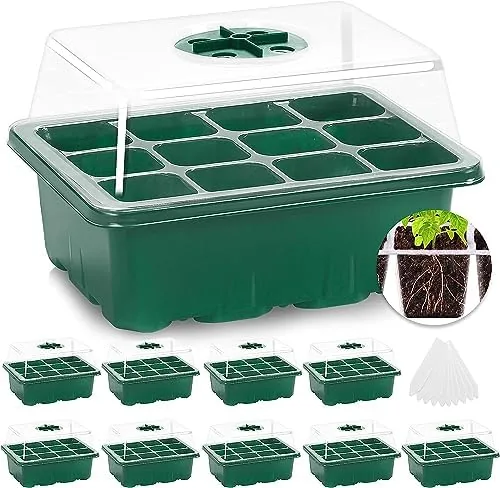
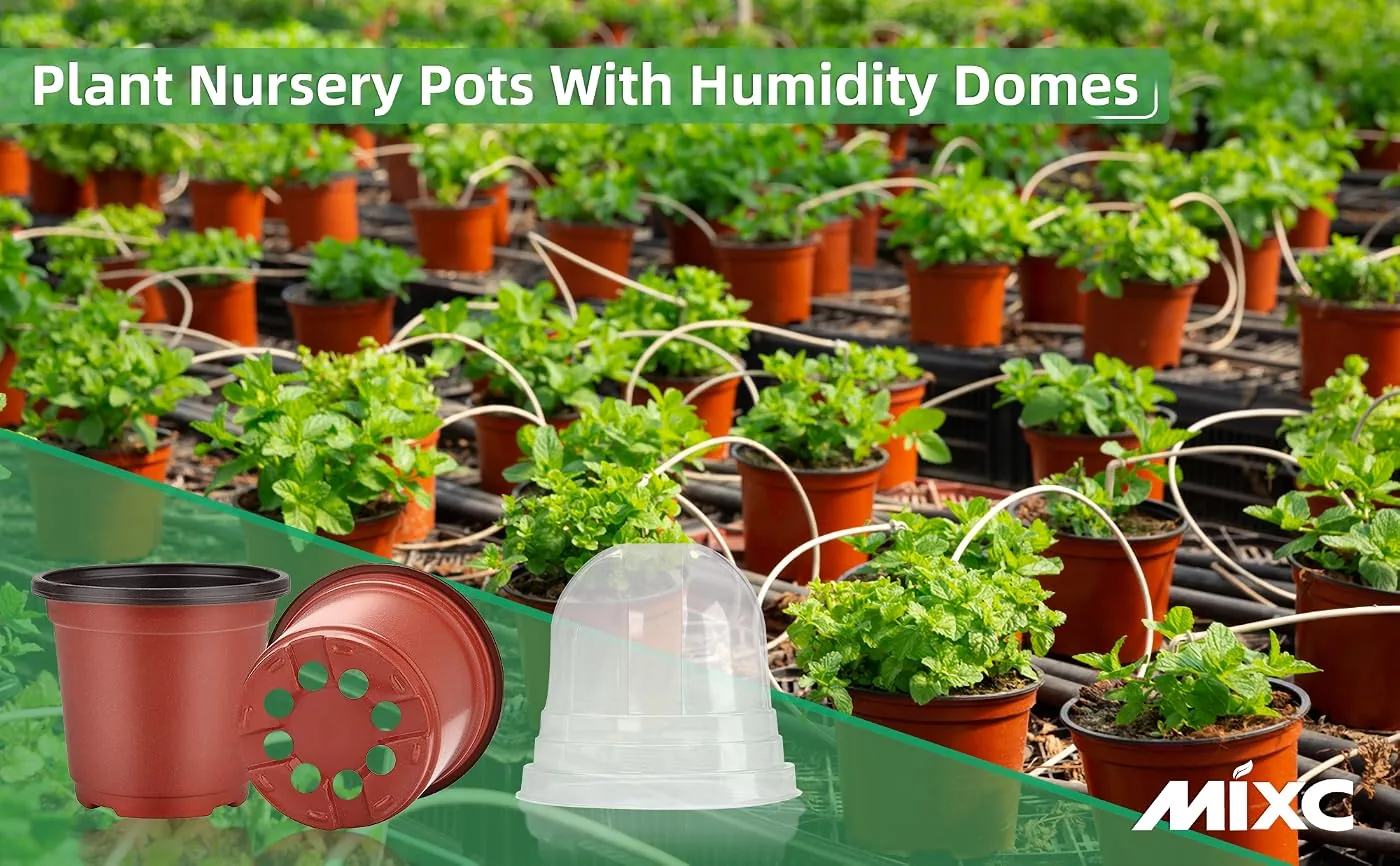
The product range addresses every stage of early plant development with purpose-built designs. Seed starting kits feature adjustable humidity domes that maintain optimal moisture levels during germination, while clear trays allow gardeners to monitor soil conditions without disturbing delicate sprouts. These components work as an integrated system rather than isolated accessories.
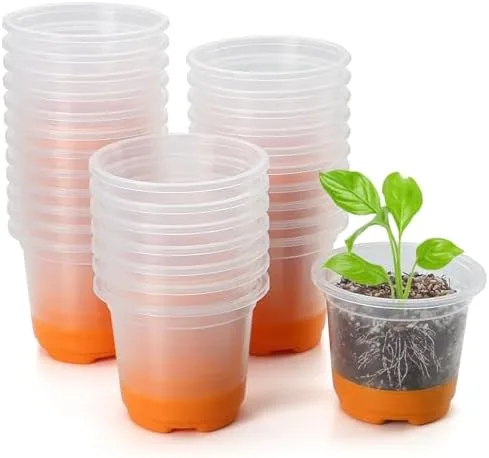
Transparent pots serve dual purposes throughout the growing cycle. During the initial weeks, visibility into root development helps gardeners identify problems before they become fatal — root rot, insufficient drainage, and pest issues all become visible through the clear walls. As plants mature, the same pots transition seamlessly into transplanting vessels thanks to flexible silicone bases.
The collection spans multiple sizes and configurations to match different growing projects. Whether starting a few herb plants for a kitchen garden or propagating hundreds of flower seedlings for a community sale, the range scales appropriately. Pack sizes of 30 units offer excellent value for serious hobbyists while keeping inventory manageable for home growers.
The Silicone-Base Revolution: Why Flexible Bottoms Change Everything
Traditional nursery pots force gardeners into an impossible choice: yank plants out by their stems and risk damage, or cut the container apart and waste money on single-use plastics. The silicone-base design eliminates this compromise entirely. A gentle upward press on the flexible bottom releases the entire root ball intact, supporting stems and soil throughout the process.
This engineering philosophy extends the brand's broader commitment to reusability. Rigid plastic walls provide the structural support plants need during growth, while the flexible base performs its role exclusively at transplant time. The materials work together rather than competing, each optimized for its specific function in the plant lifecycle.
Root ball integrity matters more than many novice gardeners realize. Disturbed roots trigger transplant shock that stunts growth for weeks and sometimes kills young plants outright. The silicone base approach preserves the carefully developed root structure, maintaining the soil contact that roots depend on for water and nutrient uptake. Plants transition from pot to garden as if nothing happened, resuming active growth almost immediately.
Greenhouse owners particularly appreciate this technology when handling high-value specimens. Rare plant varieties and specialized cultivars represent significant investments in time and money. The peace of mind that comes from knowing transplanting won't destroy weeks of careful cultivation makes the silicone-base system essential equipment for serious propagators.
MIXC Nursery Pots Feature Breakdown: Transparency, Drainage, and Damage-Free Design
- Crystal-Clear Visibility Transparent walls allow continuous monitoring of root development, soil moisture levels, and early detection of fungal issues without disturbing plants.
- Flexible Silicone Bottom Gently press upward to release the complete root ball with minimal disturbance, eliminating the need to pull on stems or cut containers apart.
- Optimal Drainage Configuration Strategically placed drainage holes prevent water accumulation that leads to root rot while maintaining adequate moisture for healthy growth.
- Sturdy Plastic Construction Rigid walls provide structural support during the growing period, preventing deformation that can compress roots or cause plants to tip over.
- Humidity Dome Compatibility Select models include 3.5-inch domes that maintain consistent moisture and temperature levels during critical germination phases.
- Reusable Design Durable materials withstand multiple growing seasons, reducing waste and long-term costs compared to disposable alternatives.
Customer Favorites: The 4-Inch Models Leading the Way
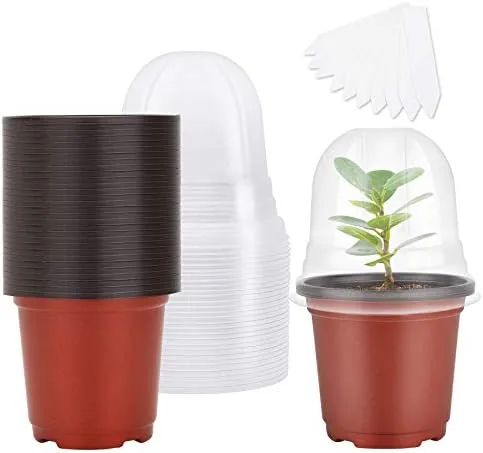
The MIXC Clear Nursery Pots with Silicone Base in the 4-inch, 30-pack configuration consistently ranks as the top choice among experienced propagators. This model pairs sturdy plastic walls with the signature flexible bottom, creating the ideal balance of support during growth and ease during transplanting. Gardeners appreciate the visibility that clear walls provide for monitoring root health throughout the development cycle.
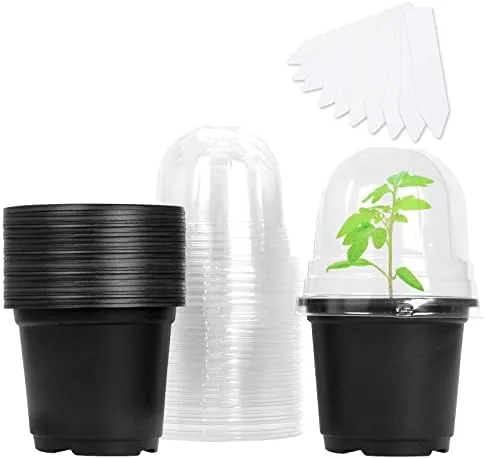
For seed starting specifically, the MIXC Nursery Pots with Humidity Dome deliver exceptional germination results. Available in both red and black color options, these 30-packs include 3.5-inch domes that trap moisture and warmth around young seeds. The controlled environment significantly improves both germination rates and seedling survival rates during the vulnerable early weeks of growth.
Both product lines share the 4-inch diameter that suits most common vegetable, herb, and flower starts. This size provides adequate root space for plants to develop strong systems before transplanting while remaining compact enough for efficient use of grow light space, windowsills, and greenhouse benches. The 30-pack quantity hits the sweet spot for home gardeners managing spring planting schedules.
Clear Plastic Walls Meet Flexible Silicone: The Material Science
The transparent walls utilize high-clarity plastic formulated to resist cloudiness over time. UV stabilizers protect against yellowing from grow light exposure and natural sunlight, maintaining visibility season after season. This clarity serves practical purposes beyond aesthetics — gardeners depend on it to spot problems before they spread.
Silicone base material selection involved extensive testing to find the optimal balance between flexibility and durability. Too soft and the bottom would deform under soil weight; too rigid and it would fail to release root balls smoothly. The final formulation flexes easily under gentle finger pressure while maintaining its shape under normal growing conditions.
Drainage holes receive attention often overlooked in budget nursery pots. Hole placement, size, and quantity all affect water management within the root zone. The design prevents the blocked drainage common in poorly made alternatives while avoiding oversized openings that let soil wash away during watering. This attention to detail prevents the root rot that destroys countless seedlings in inferior containers.
Both materials tolerate the temperature fluctuations common in home growing environments. From cold basement starts under lights to warm greenhouse conditions in spring, the pots perform consistently without cracking, warping, or degrading. Gardeners reuse them year after year without the replacement costs associated with cheaper single-season options.
Stronger Roots, Faster Establishment: What Gardeners Actually Experience
Gardeners report measurably faster plant establishment after transplanting from these containers compared to traditional pots. The intact root ball transitions directly into garden soil without the recovery period that typically follows transplant shock. Plants resume active growth within days rather than stalling for weeks while damaged roots regenerate.
The humidity dome models produce particularly striking germination results for challenging seeds. Peppers, tomatoes, and other warm-season crops that demand consistent moisture and temperature during germination show improved success rates. Users tracking their results note fewer failed cells and more uniform seedling development across entire trays.
Durability testing by regular users confirms multi-season performance. The flexible silicone bases maintain their function after dozens of transplanting cycles without developing tears or permanent deformation. Plastic walls resist the cracking common in cheaper alternatives when they flex during removal attempts or encounter cold temperatures.
Home gardeners and greenhouse operators alike confirm that the transparent design catches problems early. Root circling, pest infestations, and overwatering damage become visible before they reach critical stages. This early warning system saves both plants and the time investment they represent, making these pots valuable beyond their modest purchase price.
Getting the Most from Your MIXC Nursery Pots: Usage and Transplanting Techniques
Proper usage begins with soil selection and filling technique. Use quality seed starting mix or potting soil appropriate for your plants, filling to approximately one-half inch below the rim. This space prevents water overflow during watering and leaves room for mulch if desired. Firm the soil gently without compacting it, which would impede drainage and root development.
Cleaning between uses prevents disease transmission to new seedlings. Rinse pots thoroughly after each transplanting cycle, removing all old soil and root debris. For sanitization, soak in a diluted hydrogen peroxide or bleach solution, then rinse completely and allow to dry before storage. Proper cleaning extends pot life and protects next season's starts.
Sizing Guidance: Matching Pot Diameter to Plant Type
Ideal for 4-Inch Pots
- Tomato seedlings up to 6 weeks old
- Pepper starts before final transplant
- Annual flower seedlings
- Herb starts including basil and cilantro
- Cucumber and squash starts
- Lettuce and leafy greens for transplant
Consider Larger Containers For
- Tomatoes over 8 inches tall
- Plants remaining in containers permanently
- Root vegetables like carrots or beets
- Large ornamental transplants
- Trees and shrub cuttings
- Plants staying indoors through summer
Perfect for Spring Planners, Propagation Enthusiasts, and Space-Conscious Growers
Gardeners who plan their growing season methodically find these pots essential for organized spring starts. The ability to see root development helps determine optimal transplant timing rather than guessing based on top growth alone. When roots reach pot edges without circling, plants are ready to move — a determination impossible with opaque containers.
Propagation hobbyists managing cuttings and divisions benefit from the gentle release mechanism. Rooted cuttings often develop delicate root systems easily damaged by traditional removal methods. The silicone base allows successful transplanting even for challenging species that typically suffer high transplant mortality rates.
Urban gardeners working with limited balcony or patio space appreciate the compact footprint combined with efficient performance. Every square inch matters when growing areas are measured in feet rather than acres. These pots maximize success rates from minimal space, ensuring the effort invested in small-scale gardening yields worthwhile harvests.
Selecting the Right Nursery Pots for Your Growing Goals
Choosing between humidity dome and open-top models depends primarily on what you're growing and when. Seeds requiring warm, moist conditions during germination benefit from dome-equipped versions. Peppers, tomatoes, eggplant, and other warm-season crops germinate faster and more uniformly with controlled humidity. Once seedlings emerge and develop their first true leaves, remove domes to prevent fungal issues from excess moisture.
Open-top clear pots suit gardeners transplanting established seedlings from smaller cells or rooting cuttings that don't require humidity management. These models also work well for growers who already own humidity domes or prefer to use repurposed clear covers. The flexible silicone base functions identically in both configurations.
Pack quantity decisions balance current needs against future projects. The 30-pack size suits most home garden operations for a single planting season. Gardeners running larger operations or those who share starts with neighbors may order multiple packs. The durable construction means initial investments serve for years, making larger quantities sensible for committed growers.
Color selection between red and black humidity dome variants is primarily aesthetic for most applications. However, some gardeners report that darker pots absorb slightly more heat when placed on warming mats, potentially benefiting heat-loving seeds. Clear pot bodies remain consistent across all models, maintaining the root visibility that defines the product line.
MIXC Nursery Pots vs. Traditional Propagation Containers
| Feature | MIXC Nursery Pots | Standard Black Plastic Pots | Peat Pots |
|---|---|---|---|
| Root Visibility | Full transparency for monitoring | None — completely opaque | None — opaque fiber walls |
| Transplant Method | Silicone base push-release | Pull or cut container | Plant entire pot into soil |
| Root Ball Integrity | Excellent — no disturbance | Poor — often damaged during removal | Variable — roots must penetrate walls |
| Reusability | Multiple seasons with proper care | Limited — cracks from removal stress | Single use only |
| Drainage Control | Optimized hole placement | Variable quality between brands | Walls absorb and retain moisture |
| Humidity Dome Option | Available on select models | Sold separately if available | Not typically available |
| Cost Per Use | Low — amortized over years | Medium — frequent replacement | High — replaced every cycle |
| Environmental Impact | Reduced waste through reuse | Plastic waste if not recycled | Compostable but single-use |
Comparison based on typical products in each category. Individual brand performance may vary.
Cleaning, Storage, and Season-to-Season Maintenance
End-of-season cleaning ensures your containers perform optimally for years. After completing transplanting, remove all remaining soil and root debris from both the plastic walls and silicone bases. Stubborn residue loosens with a brief soak in warm water. Avoid harsh scrubbing that could scratch clear surfaces and reduce visibility over time.
Inspect stored containers before each new growing season. Check silicone bases for tears or permanent deformation that could affect release performance. Examine plastic walls for cracks or cloudiness that impairs visibility. Damaged units should be retired to maintain the reliability that makes these pots valuable tools in your gardening system.