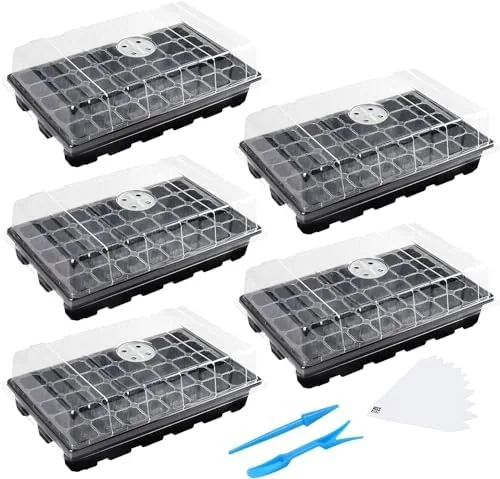
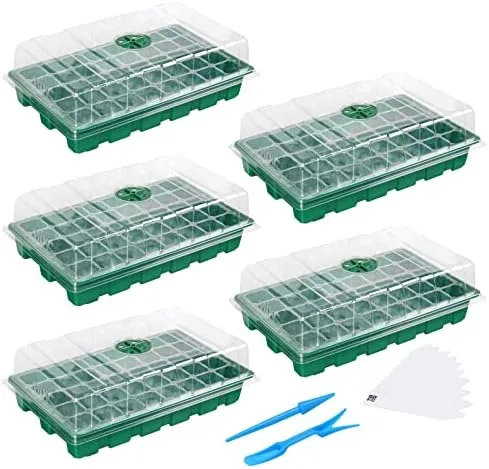
MIXC — Seed Starter Kits
MIXC Seed Starter Kits: Empowering Home Gardeners to Grow with Confidence
MIXC exists to make people live in hope by providing innovative, durable gardening solutions that transform how everyday gardeners approach seed starting. The brand speaks directly to home gardeners who want reliable germination results without the guesswork, greenhouse owners seeking professional-grade equipment at accessible price points, and urban balcony gardeners working within limited space constraints. These are people who understand that successful gardens begin with healthy seedlings, and they refuse to compromise on the tools that make that possible.
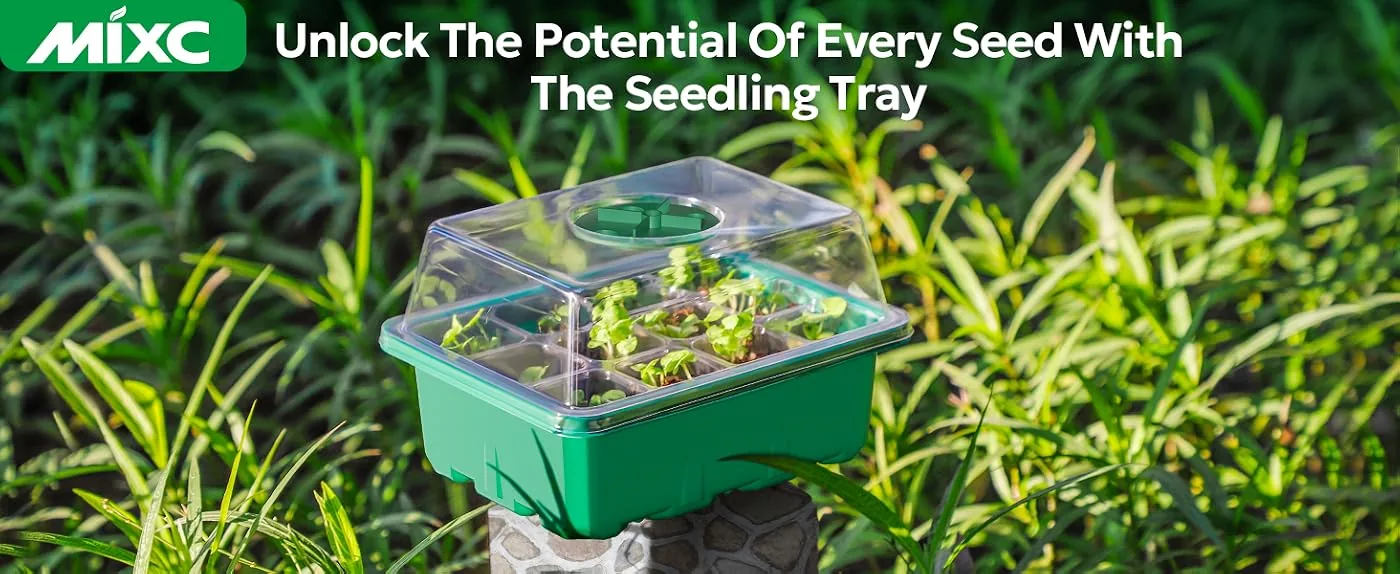
The core philosophy behind every MIXC product centers on removing barriers between gardeners and their growing ambitions. Whether someone is starting their first tomato seeds in a studio apartment or scaling up a backyard vegetable operation, the brand delivers solutions designed for real-world conditions. The humidity dome systems, adjustable vents, and clear monitoring trays reflect an understanding that gardeners need both control and visibility throughout the germination process.
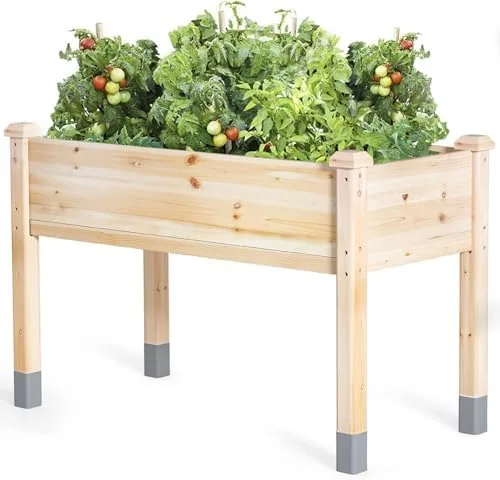
Urban balcony gardeners particularly benefit from the compact yet high-capacity design approach MIXC brings to seed starting. Space limitations no longer mean sacrificing quantity or quality. The stackable trays and efficient cell configurations allow apartment dwellers to start dozens of seedlings in minimal footprint, then transplant thriving plants to elevated planters and container gardens when the time comes.
From 40-Cell Compact Trays to Full 120-Cell Growing Systems
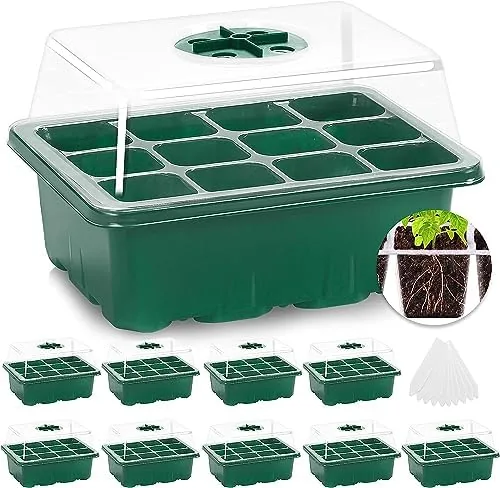
The product range spans multiple configurations to match every gardener's scale and ambition. Entry-level gardeners find an ideal starting point with the 5-pack mini propagator systems featuring 40 cells per tray, delivering 200 total growing spaces in a manageable format. These compact units work beautifully on windowsills, under grow lights, or in small greenhouse setups where space comes at a premium.
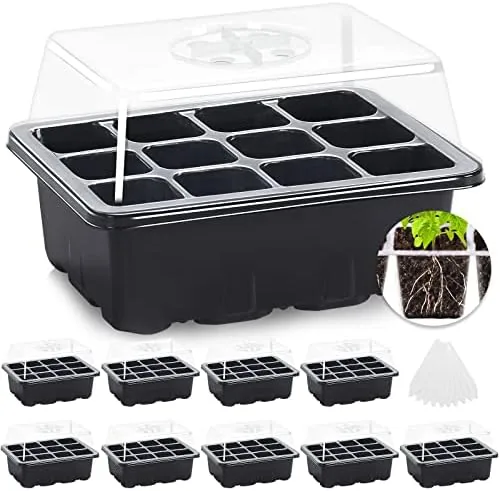
For gardeners ready to scale their operations, the 10-pack starter tray systems deliver 120 cells of growing capacity with professional-grade humidity control. Available in both green and black colorways, these larger kits serve gardeners who want to start entire seasons of vegetables, herbs, and flowers in single batches. The color options allow growers to coordinate with existing garden aesthetics or choose based on light absorption preferences.
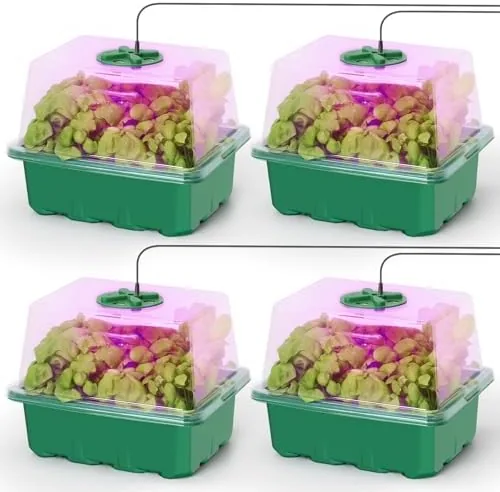
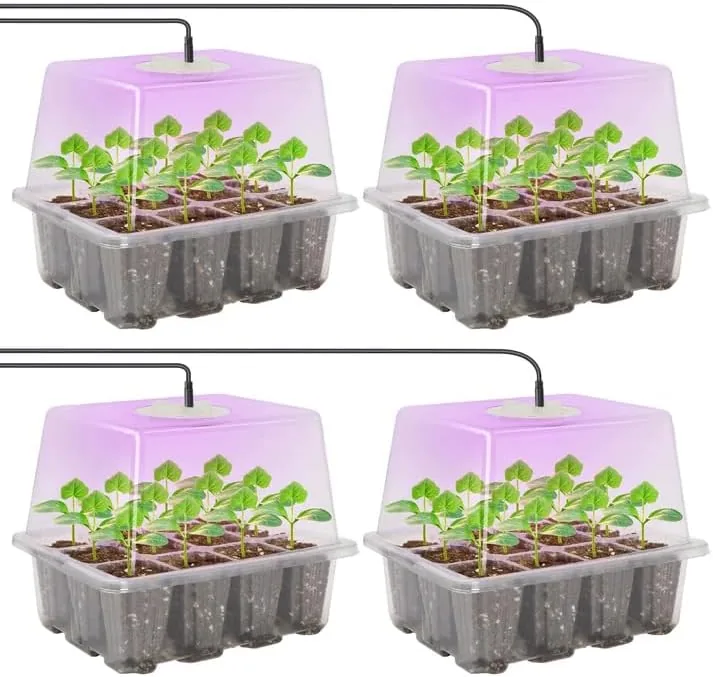
The premium tier introduces integrated grow light systems paired with elevated humidity domes, available in green and transparent variants. These complete germination stations eliminate the need to purchase separate lighting equipment, providing everything required for successful indoor seed starting in climates where natural light proves insufficient during late winter and early spring starting windows.
Adjustable Vents and Clear Monitoring: The Science of Controlled Germination
The engineering philosophy driving these products centers on giving gardeners precise environmental control without requiring advanced horticultural knowledge. Every humidity dome features adjustable vents that regulate both temperature and moisture levels within the growing chamber. This seemingly simple feature addresses one of the most common causes of seed starting failure — the inability to balance humidity high enough for germination while preventing the fungal problems that excessive moisture creates.
Transparent tray construction represents another deliberate engineering choice that separates thoughtful design from generic alternatives. High-quality clear plastic allows gardeners to monitor root development, soil moisture levels, and early growth stages without lifting domes or disturbing the carefully maintained microclimate. This visibility proves especially valuable for beginners learning to read the signs of healthy versus struggling seedlings.
The elevated dome design featured in premium kits addresses a limitation found in standard flat-top humidity covers. Seedlings that germinate successfully often quickly outgrow conventional domes, requiring premature removal of humidity protection. The elevated architecture provides additional vertical growing space, allowing young plants to develop stronger stems and more robust root systems before facing the harsher conditions outside the protected environment.
MIXC Seed Starter Kits: Core Features That Drive Germination Success
- Adjustable Humidity Vents Dial in the perfect moisture balance for each seed variety with vents that open and close smoothly, preventing damping off while maintaining the humidity levels seeds require for consistent germination.
- Clear Observation Trays Monitor root development and soil moisture at a glance through transparent cell walls and bases, eliminating the guesswork that leads to overwatering or premature transplanting.
- Elevated Dome Architecture Premium kits feature raised humidity covers that accommodate taller seedling growth, allowing plants to strengthen before facing ambient room conditions.
- Integrated Grow Light Systems Select models include purpose-built LED grow lights positioned at optimal heights, providing the light spectrum young plants need when window light proves insufficient.
- Multi-Cell Configurations Choose from 40-cell compact trays for small-batch growing or 120-cell systems for gardeners starting entire seasons of vegetables and flowers simultaneously.
- Stackable Space Efficiency Tray designs allow vertical stacking during storage and transport, maximizing limited space in apartments, sheds, and greenhouse staging areas.
Top-Selling Propagation Systems Gardeners Return to Season After Season
The MIXC 10 Pack Seed Starter Tray with 120 cells consistently ranks among the most popular choices for serious home gardeners. Available in both green and black variants, this system delivers the capacity needed to start spring and fall gardens in single coordinated batches. The adjustable vents on each humidity dome allow growers to fine-tune conditions for different seed types, even when starting peppers and lettuce in the same growing area.
Gardeners seeking an all-in-one solution gravitate toward the 4 Pack Seed Starter Kit with Grow Light systems. The green version appeals to those who prefer traditional gardening aesthetics, while the transparent option maximizes light penetration and visibility. Both versions feature the upgraded elevated humidity dome that provides extra vertical growing space — a detail that experienced seed starters immediately recognize as addressing one of the most common limitations of standard germination kits.
The 5-Pack Mini Propagator Plant Grow Kit serves as the gateway product for many first-time seed starters. With 40 cells per tray delivering 200 total growing spaces, this black-finished system offers enough capacity for meaningful harvests while remaining manageable for beginners. The greenhouse-style humidity domes create ideal conditions for germination, and the compact footprint fits comfortably on standard windowsills or under supplemental lighting.
Transparent Plastic Construction and Purpose-Built Growing Components
Every tray and dome in the product line utilizes high-quality transparent plastic specifically formulated for horticultural applications. This material choice serves multiple functions beyond simple visibility — the plastic transmits the light wavelengths plants need while providing insulation that helps maintain consistent temperatures within the growing chamber. Unlike opaque alternatives, this construction allows natural and artificial light to reach soil surfaces, warming growing media and accelerating germination.
The cell tray construction balances durability with the flexibility required for successful transplanting. Walls maintain their shape during the growing period to support developing root systems, yet flex enough to release seedlings without root damage when transplant time arrives. This engineering consideration matters most for gardeners starting delicate varieties that struggle to recover from transplant shock.
Humidity dome materials resist the condensation buildup that plagues cheaper alternatives. Water droplets form and roll down dome surfaces rather than pooling on interior ceilings where they can drop onto seedlings and promote fungal disease. The anti-drip properties work in conjunction with the adjustable vents to create stable humidity levels without the moisture extremes that damage young plants.
Consistent Germination Rates and Stronger Transplant-Ready Seedlings
Gardeners report germination improvements when switching from improvised containers to purpose-built propagation systems. The controlled environment inside humidity domes maintains the consistent moisture and temperature levels that seeds require during their most vulnerable stage. Where open-air starting often produces spotty results with some cells germinating while others fail, the enclosed system delivers uniform conditions across all growing spaces.
The observation capabilities built into these systems allow gardeners to time their transplanting with precision. Rather than guessing whether roots have developed sufficiently, growers see directly through transparent walls when root systems fill their cells and indicate readiness for larger containers or outdoor beds. This visibility prevents both premature transplanting of underdeveloped seedlings and the stunted growth that results from leaving plants too long in starter cells.
Seedlings grown under elevated humidity domes develop noticeably sturdier stems compared to those started in conventional setups. The additional vertical space allows plants to reach toward light without compression against dome ceilings, producing the straight, strong growth that translates to better outdoor performance. Gardeners also report reduced instances of leggy, weak seedlings when using integrated grow light systems that position light sources at optimal distances.
Getting Maximum Results from MIXC Seed Starter Kits: Setup and Growing Tips
- Pre-Moisten Growing Media Prepare seed starting mix by adding water until it holds together when squeezed but releases no excess moisture. Fill cells with this pre-moistened media to avoid disturbing seeds after planting.
- Plant at Proper Depths Follow seed packet instructions for planting depth, generally covering seeds with media equal to twice their diameter. Tiny seeds like lettuce need only surface contact with light pressing.
- Start with Vents Closed Keep humidity dome vents fully closed during initial germination to maximize moisture retention. Open vents gradually as seedlings emerge to prevent damping off disease.
- Position Grow Lights Correctly Maintain 2-4 inches between grow lights and seedling tops for optimal light intensity without heat stress. Raise lights as plants grow to maintain this distance.
- Water from Below Add water to the base tray rather than overhead watering. Cells absorb moisture through drainage holes, maintaining surface dryness that discourages fungal growth.
- Harden Off Before Transplanting Remove domes for increasing periods daily during the week before transplanting. This acclimates seedlings to ambient humidity and temperature fluctuations they will face outdoors.
Temperature Ranges and Placement Considerations for Optimal Germination
Most vegetable and flower seeds germinate best when soil temperatures remain between 65-75°F, a range these enclosed systems help maintain even in cooler rooms. Position trays away from cold windows during winter months, as glass surfaces radiate cold that can drop soil temperatures below optimal levels. The insulating properties of humidity domes buffer against minor temperature swings, but cannot overcome significant ambient cold.
Heat mats pair effectively with these propagation systems for gardeners starting heat-loving crops like peppers, tomatoes, and eggplants. The trays sit directly on standard seedling heat mats, with the enclosed dome capturing warmth and maintaining elevated temperatures throughout the root zone. Monitor soil temperature with a probe thermometer during the first few days to verify heat mat settings produce desired conditions inside the growing chamber.
Grow light systems generate mild heat that contributes to the internal dome temperature. When using integrated lighting in warm rooms, check that combined heat sources do not push temperatures above the 85°F threshold where many seeds experience reduced germination rates. Opening humidity vents wider or raising light heights slightly addresses excess heat while maintaining sufficient illumination for healthy growth.
Perfect for Spring Planners, Succession Growers, and Year-Round Herb Enthusiasts
Ideal Growing Scenarios
- Starting spring vegetable gardens 6-8 weeks before last frost
- Succession planting lettuce and greens throughout the season
- Propagating herb cuttings for kitchen gardens
- Growing microgreens and sprouts year-round
- Starting flower seedlings for summer container displays
Perfect Gardener Profiles
- Apartment dwellers with limited outdoor space
- Greenhouse owners needing reliable propagation supplies
- Budget-conscious gardeners growing from seed
- Teachers and parents introducing children to gardening
- Market gardeners starting transplants for sale
Selecting the Right Seed Starter Kits for Your Growing Goals
Matching kit capacity to your actual planting plans prevents both waste and shortage. Calculate the number of transplants needed by counting garden bed squares or container positions, then add 20-30% extra to account for germination failures and weak seedlings you will cull. A gardener planning 50 tomato plants needs approximately 65-70 starting cells for that crop alone, making the 120-cell systems appropriate for single-variety large batches.
Consider your available light sources when choosing between standard trays and integrated grow light systems. South-facing windows provide sufficient light for many seedlings during late spring starting, but gardeners beginning seeds in January or February typically need supplemental lighting. The grow light kits eliminate the need to purchase and position separate fixtures, offering convenience that justifies their higher price point for indoor-only growers.
Space constraints often determine the best kit configuration for urban gardeners. The 40-cell mini propagators fit standard windowsills and small shelving units, making them practical for balcony gardeners with limited indoor staging areas. Larger 120-cell systems require dedicated table space or shelving but deliver significantly more seedlings per dollar invested. Measure your available growing area before purchasing to ensure trays fit without overcrowding that blocks light and restricts air circulation.
MIXC Seed Starter Kits vs. Competing Propagation Systems
| Feature | MIXC | Jiffy Greenhouse | Burpee SuperSeed |
|---|---|---|---|
| Cell Capacity Options | 40, 120 cells per kit | 72 cells standard | 36 cells standard |
| Adjustable Humidity Vents | Yes, on all models | Fixed vents only | No vents included |
| Transparent Cell Walls | Yes, full visibility | Opaque peat cells | Semi-transparent |
| Integrated Grow Light Option | Yes, premium kits | Not available | Not available |
| Elevated Dome Height | Available on select models | Standard height only | Standard height only |
| Reusable Design | Yes, multiple seasons | Single-use peat | Limited reusability |
| Dome Material Quality | Anti-drip plastic | Basic plastic | Thin plastic |
| Multi-Pack Value Options | 5 and 10 pack bundles | Single units | Single units |
Comparison based on standard product offerings available through major online retailers as of 2024.
Cleaning, Storage, and Multi-Season Reuse of Propagation Equipment
End each growing season with thorough cleaning to prevent disease carryover. Remove all soil residue from cell trays using a stiff brush and warm water, paying special attention to drainage holes where debris accumulates. A diluted hydrogen peroxide solution (one part 3% peroxide to nine parts water) sanitizes surfaces without leaving chemical residues harmful to next season's seedlings. Rinse thoroughly and allow components to air dry completely before storage.
Humidity domes require gentle handling during cleaning to preserve their optical clarity. Avoid abrasive scrubbers that scratch transparent surfaces and reduce visibility. Soft cloths or sponges with mild dish soap remove most organic buildup. For stubborn mineral deposits from hard water, a white vinegar soak followed by gentle wiping restores dome transparency without chemical damage to the plastic.
Store cleaned components in a cool, dry location away from direct sunlight that can degrade plastics over time. Stack trays with domes inverted inside to prevent dust accumulation on growing surfaces. Many gardeners dedicate a shelf in garden sheds or garage spaces specifically for propagation equipment, keeping supplies organized and ready for quick deployment when seed-starting season arrives. Proper storage extends equipment life across multiple growing seasons, maximizing return on your investment.